
Have the inspector categorize defects into three groups: urgent safety/structural issues, items affecting daily living (like damp, leaks, electrical or plumbing faults), and cosmetic or long-term wear. For each defect, ask for a professional cost estimate from a qualified tradesperson or engineer. Urgent items should be addressed before proceeding or used as a negotiation point; they may justify a price reduction or a holdback until repairs are done. For non-urgent issues, use the estimates to populate a phased repair plan and a maintenance budget for the next 2–5 years. Include assumptions about climate-related wear (sun, salt, humidity, monsoon) and confirm whether the current documentation (drawings, permits, warranties) covers required remediation. If several issues arise, you can request completion conditions tied to documented repairs or a contingency in the contract. Avoid accepting a clean finish as proof defects are resolved; obtain ongoing warranties where possible and ensure independent verification of results. In Phuket, some defects may not be visible now but can emerge later, so plan accordingly.
Public Property Q&A
How Should I Assess Whether Defects Require Immediate Repair Vs. Future Budgeting?
Continue the conversation
Useful next steps
Use this answer as a practical starting point. Current prices and availability should be confirmed with the relevant seller, developer or manager, while ownership, contracts, tax and inspection matters should be checked with qualified buyer-side professionals.
Related Topics
More Property Inspection & Coastal/hillside Risks Topic Pages
Explore more topic pages connected to this answer.



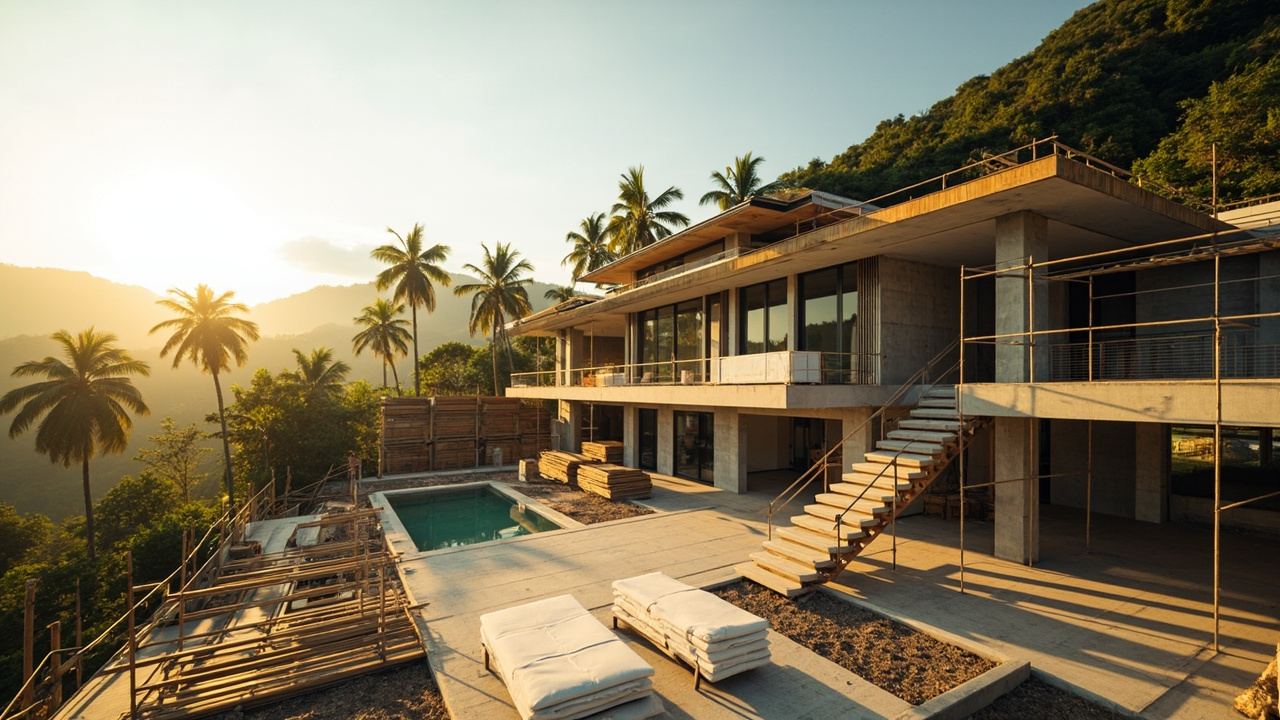

Related Visual Examples
A short visual sample connected to this answer or its topic.
 inspectionGenerated editorial image for Phuket Flood Risk, supporting Phuket property research, area compariso…
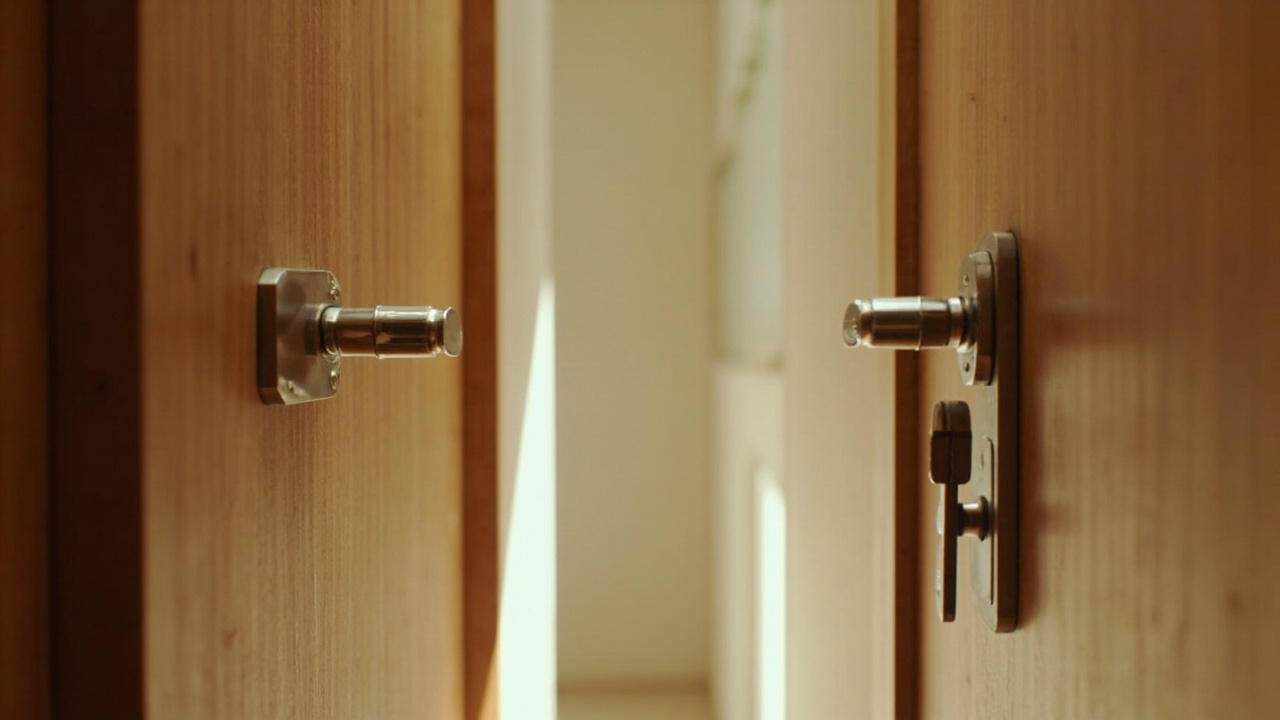 inspectionGenerated editorial image for Phuket Snagging Inspections, supporting Phuket property research, area…
 inspectionGenerated editorial image for Phuket Build Quality, supporting Phuket property research, area compar…