
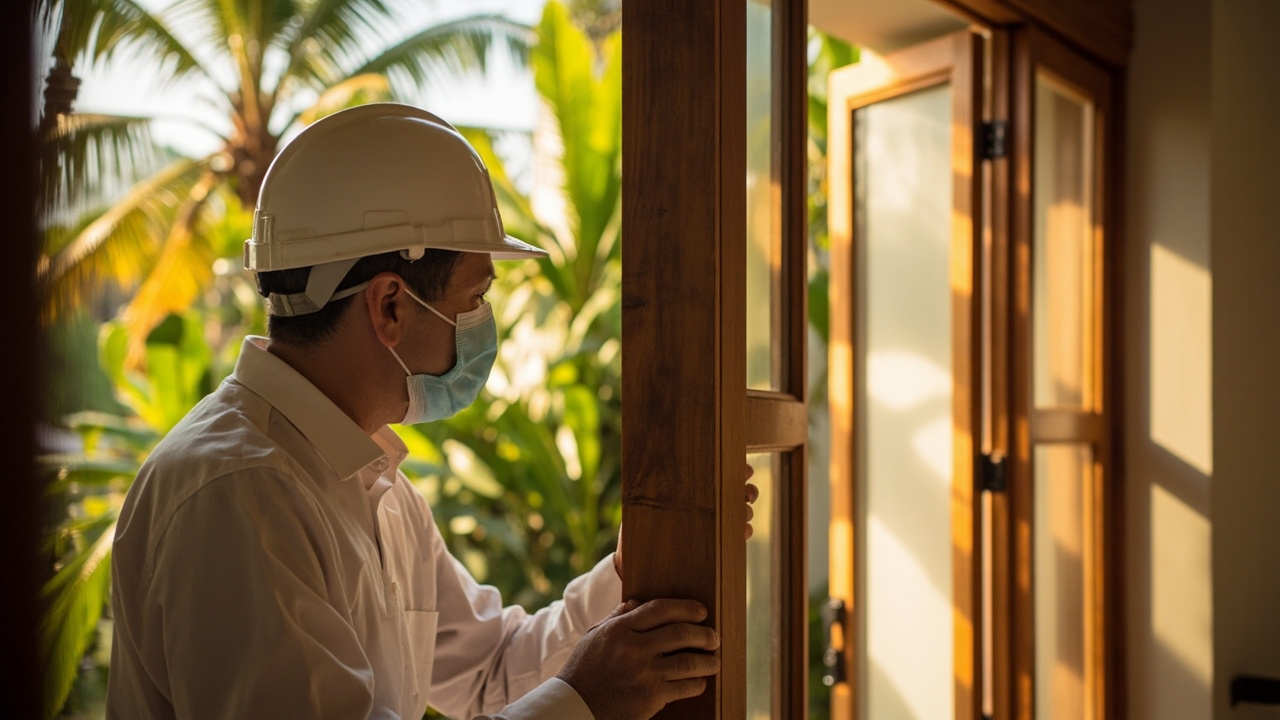
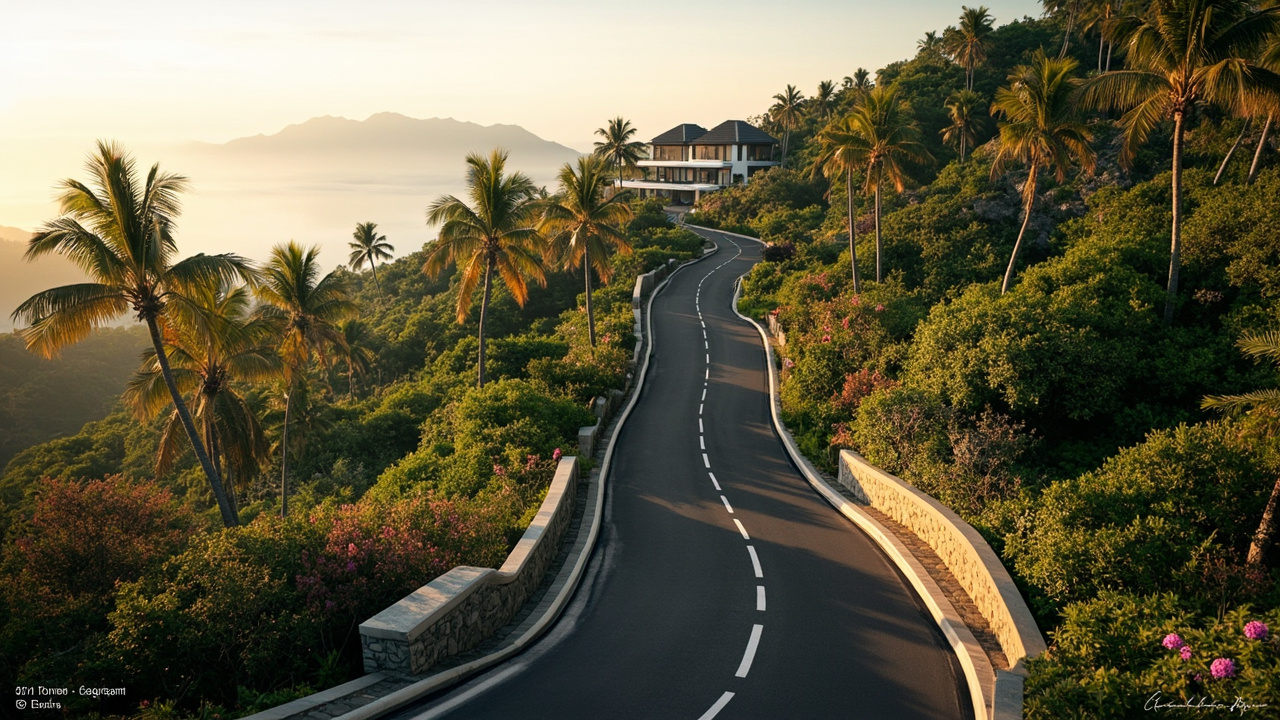
A tropical inspection should cover structure, roof, waterproofing, walls, floors, windows, electrical system, plumbing, hot water, air conditioning, pool, pumps, drainage, wastewater, pests, corrosion, mould and safety. For condominiums, inspect the unit and relevant common-property evidence. For villas, include the plot, road, retaining walls and services. The inspector should photograph defects, prioritise repairs and distinguish visible symptoms from causes. Phuket’s sun, salt, humidity and monsoon rain can hide or accelerate defects. Inspect the property, plot, access and shared infrastructure as one system, and do not accept fresh paint as proof that moisture or movement has been resolved. Confirm current property-specific details through documents, inspection and appropriate independent professionals before committing money.
Public Property Q&A
What Should a Phuket Building Inspection Cover?
Useful next steps
Use this answer as a practical starting point. Current prices and availability should be confirmed with the relevant seller, developer or manager, while ownership, contracts, tax and inspection matters should be checked with qualified buyer-side professionals.
Related Topics
More Property Inspection & Coastal/hillside Risks Topic Pages
Explore more topic pages connected to this answer.


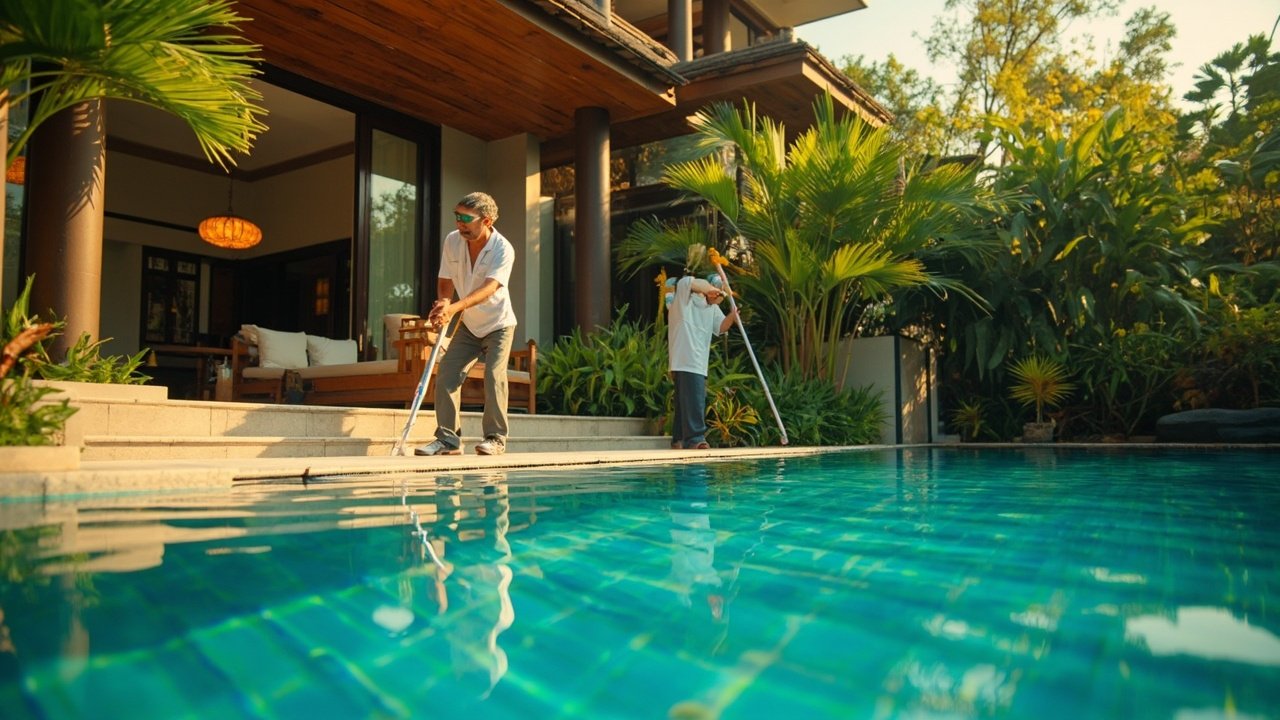
Related Visual Examples
A short visual sample connected to this answer or its topic.
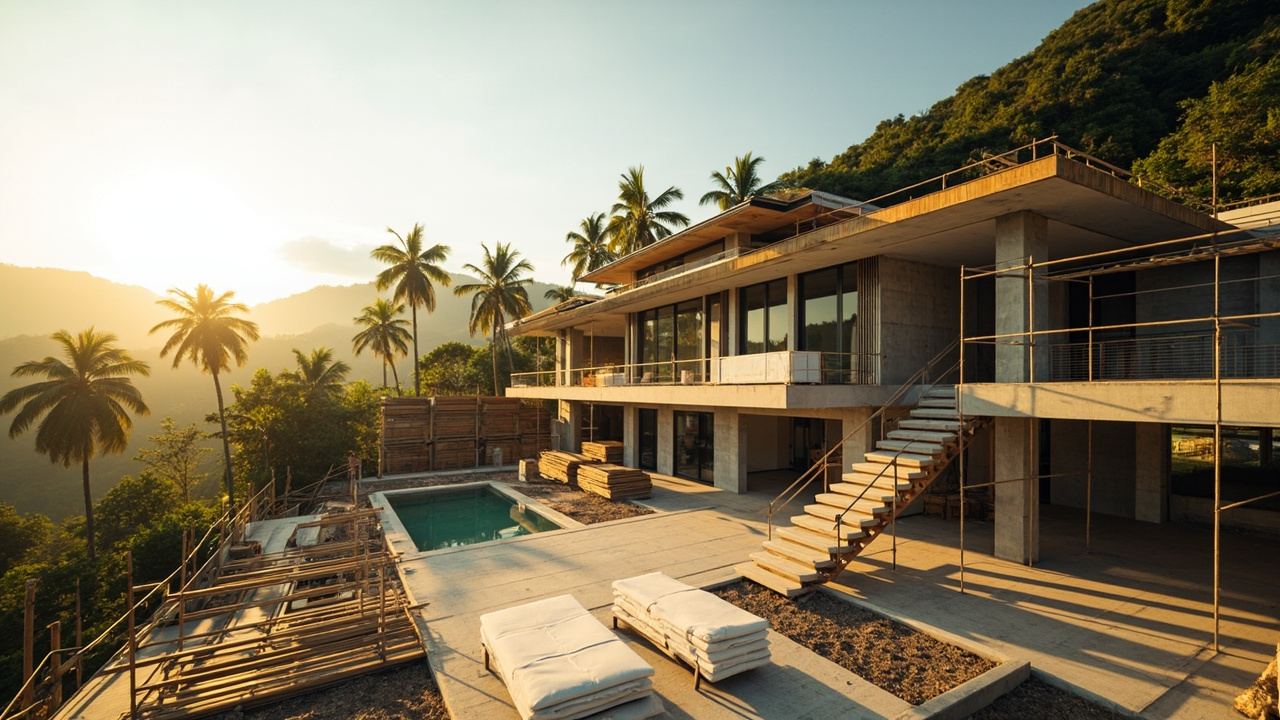
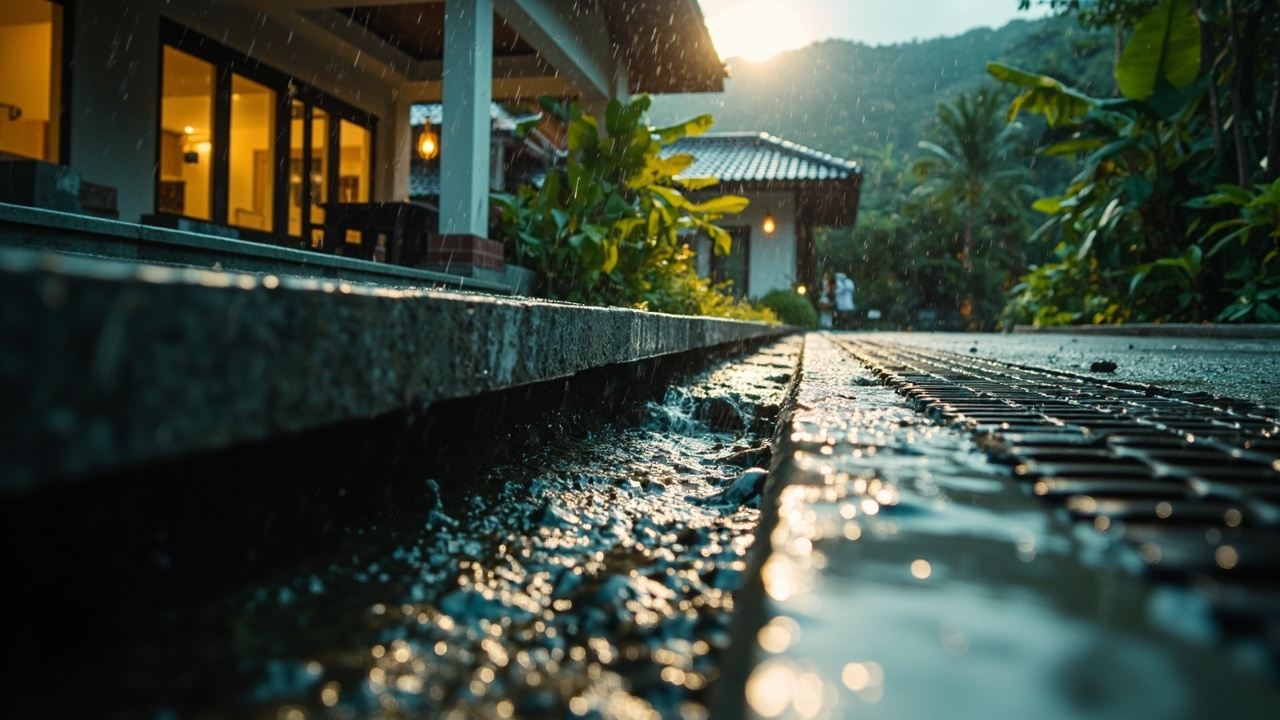 inspectionGenerated editorial image for Phuket Flood Risk, supporting Phuket property research, area compariso…
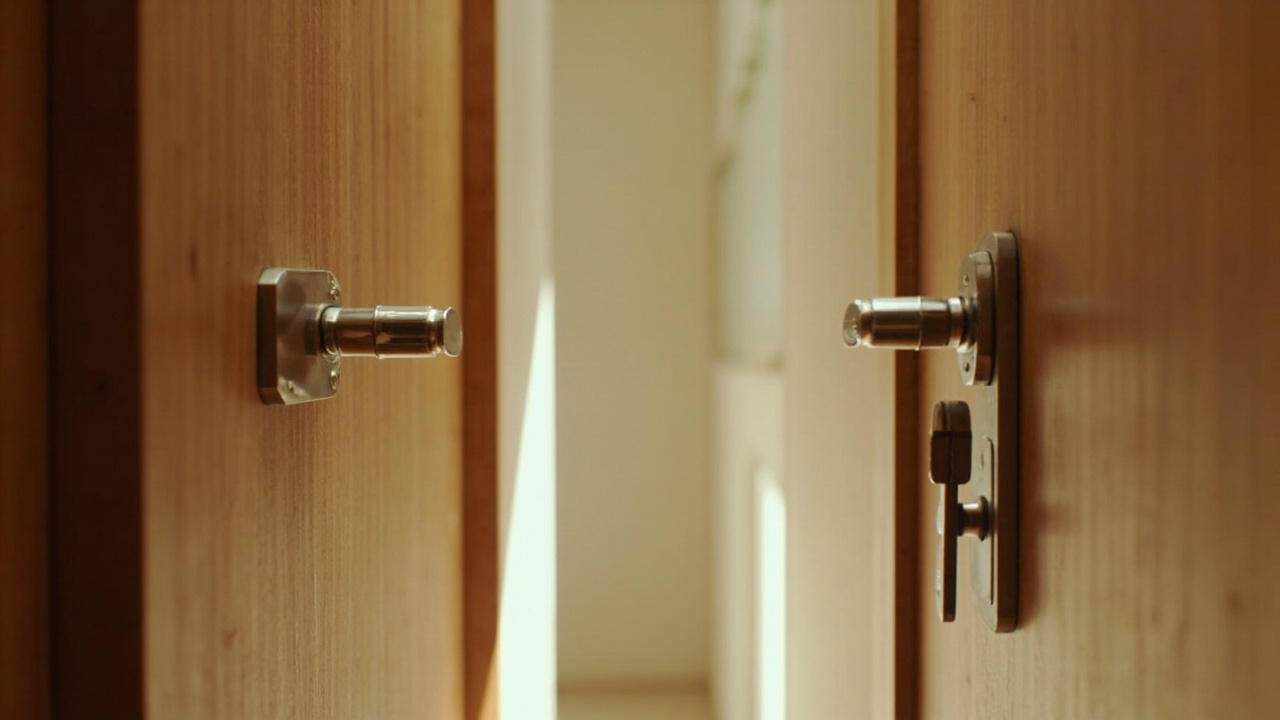 inspectionGenerated editorial image for Phuket Snagging Inspections, supporting Phuket property research, area…
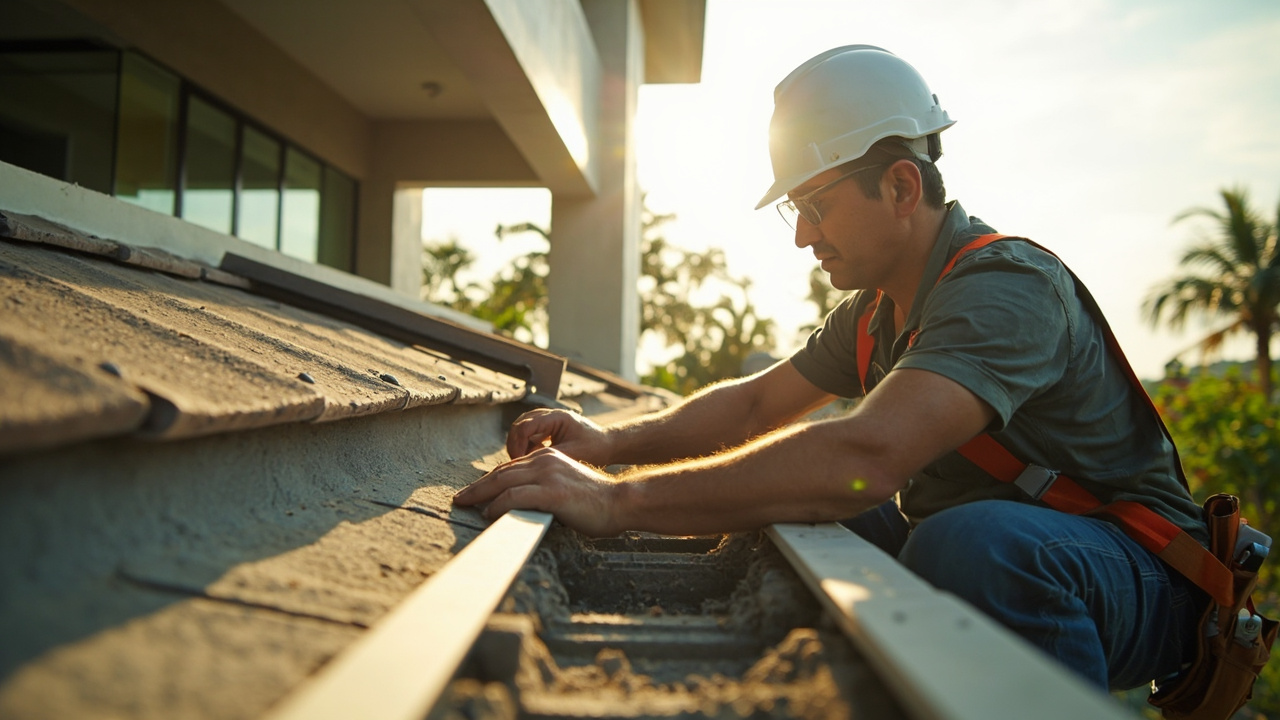 inspectionGenerated editorial image for Phuket Build Quality, supporting Phuket property research, area compar…