
Typically the buyer arranges and pays for a retaining-wall inspection, though a seller or developer may offer a basic report as part of due diligence. The important part is to hire a licensed structural or geotechnical engineer with local Phuket hillside experience. Ask for credentials such as Thai professional registration, a current license, and evidence of professional indemnity insurance. Request a clear scope that covers wall design, drainage, approvals, maintenance, and signs of movement (cracks, bulges, settlement, blocked weep holes). The inspector should evaluate both the wall and the adjacent slope, and consider any shared infrastructure or access that could be affected. Expect a written report with photos, measurements, and practical recommendations, plus an estimate of remedial costs and a realistic timeline. Importantly, insist on independence: avoid reports produced by the seller or their agents. If defects are identified, obtain independent remediation costings before proceeding. Monsoon rains and Phuket’s salt air can reveal issues only after rainfall, so time the inspection with weather in mind. Keep all evidence in your due-diligence file and verify details with independent professionals before paying money.
Public Property Q&A
Who Should Pay for the Retaining-Wall Inspection & What Qualifications Matter?
Useful next steps
Use this answer as a practical starting point. Current prices and availability should be confirmed with the relevant seller, developer or manager, while ownership, contracts, tax and inspection matters should be checked with qualified buyer-side professionals.
Related Topics
More Property Inspection & Coastal/hillside Risks Topic Pages
Explore more topic pages connected to this answer.

Related Visual Examples
A short visual sample connected to this answer or its topic.
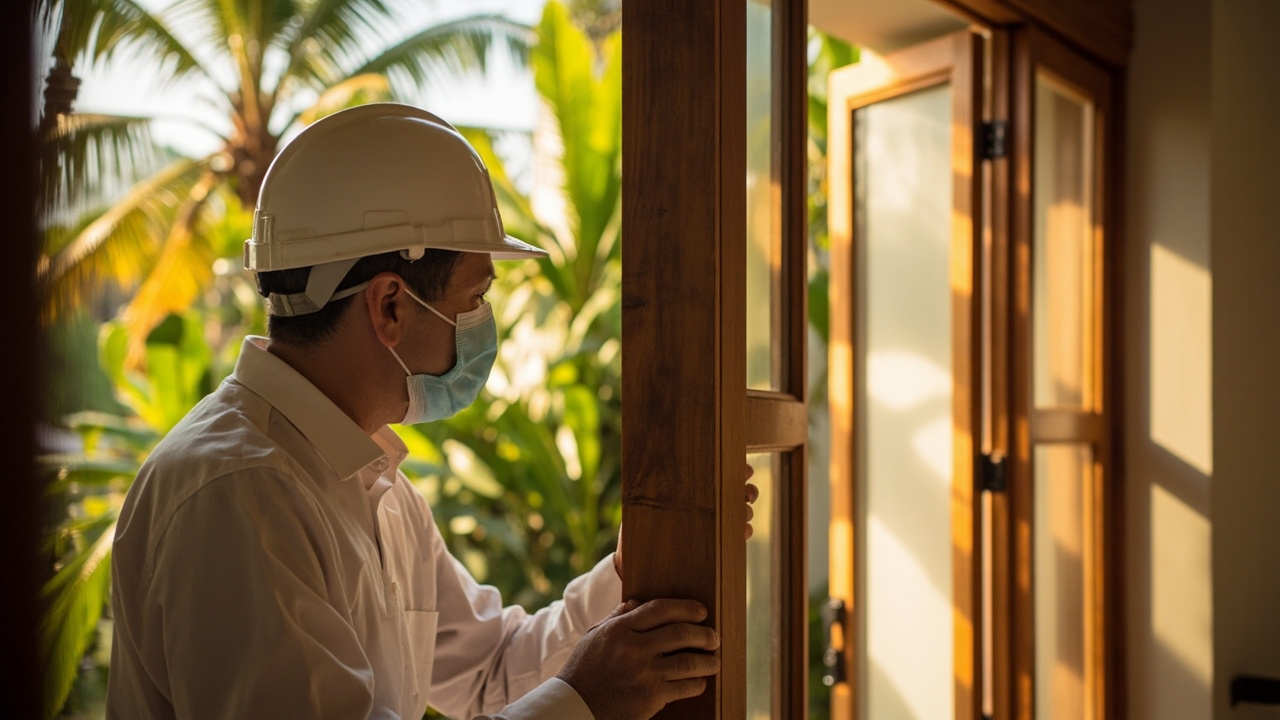
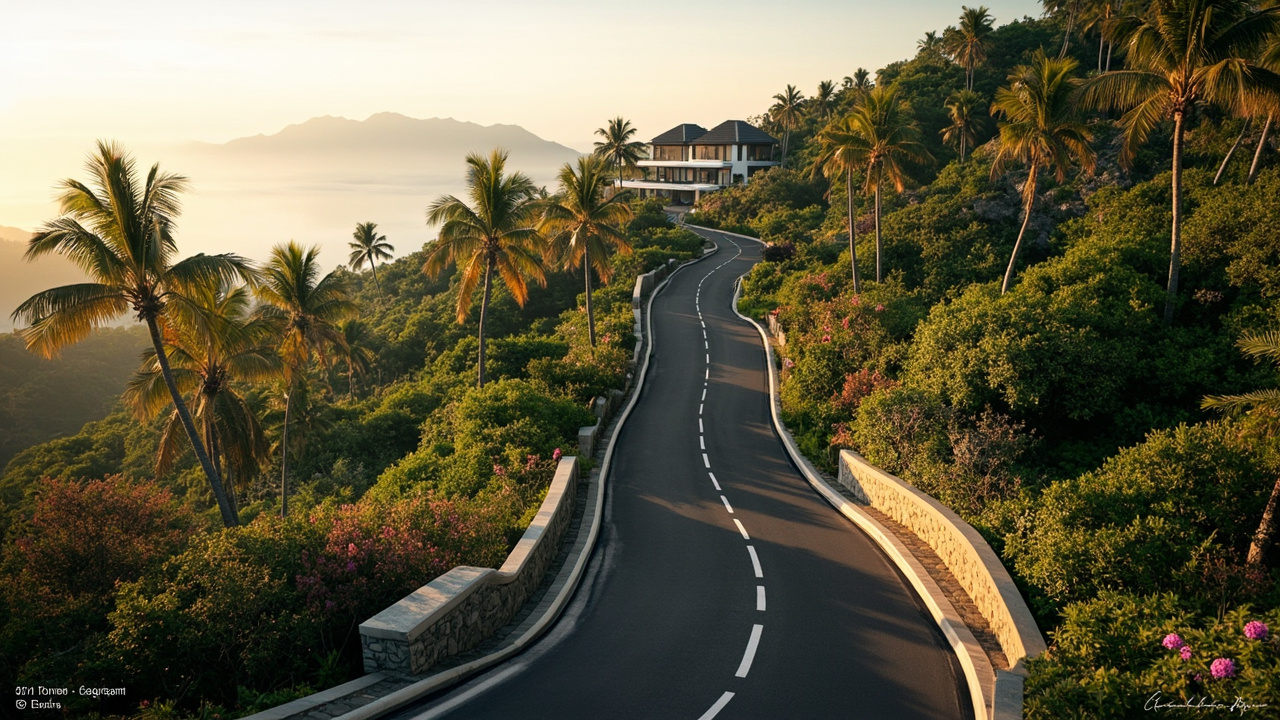
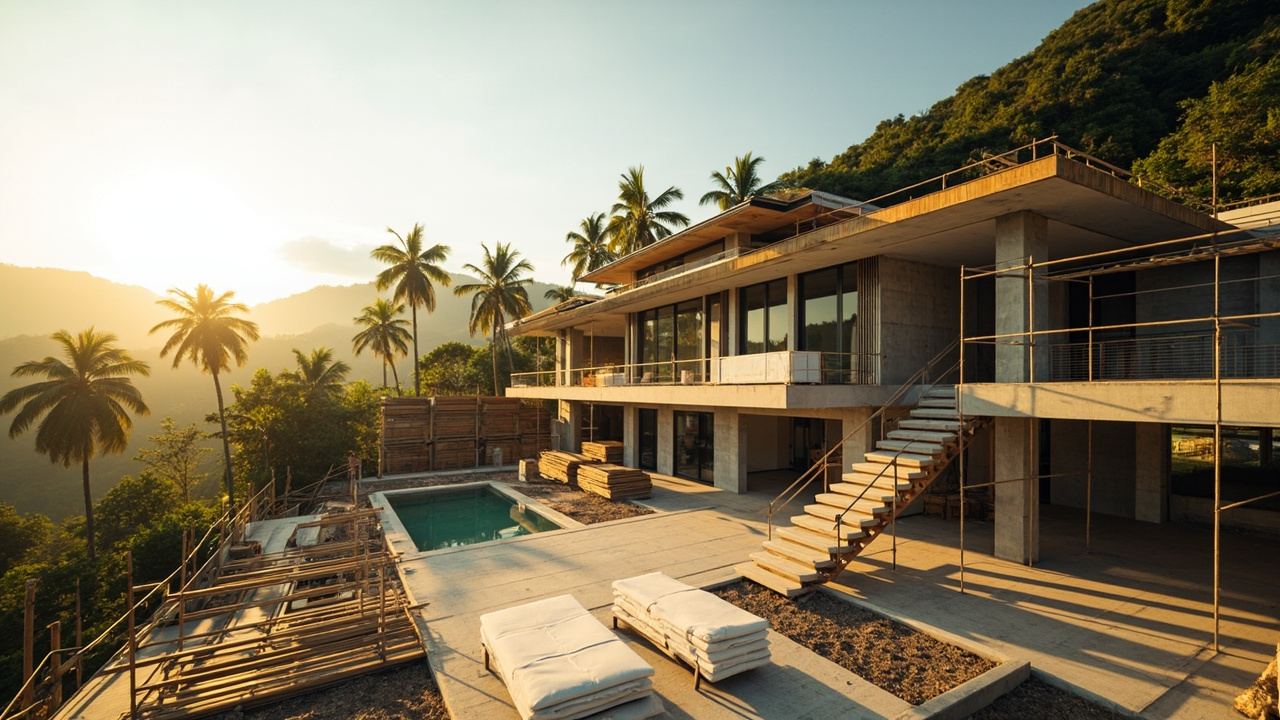
 inspectionGenerated editorial image for Phuket Flood Risk, supporting Phuket property research, area compariso…
 inspectionGenerated editorial image for Phuket Snagging Inspections, supporting Phuket property research, area…
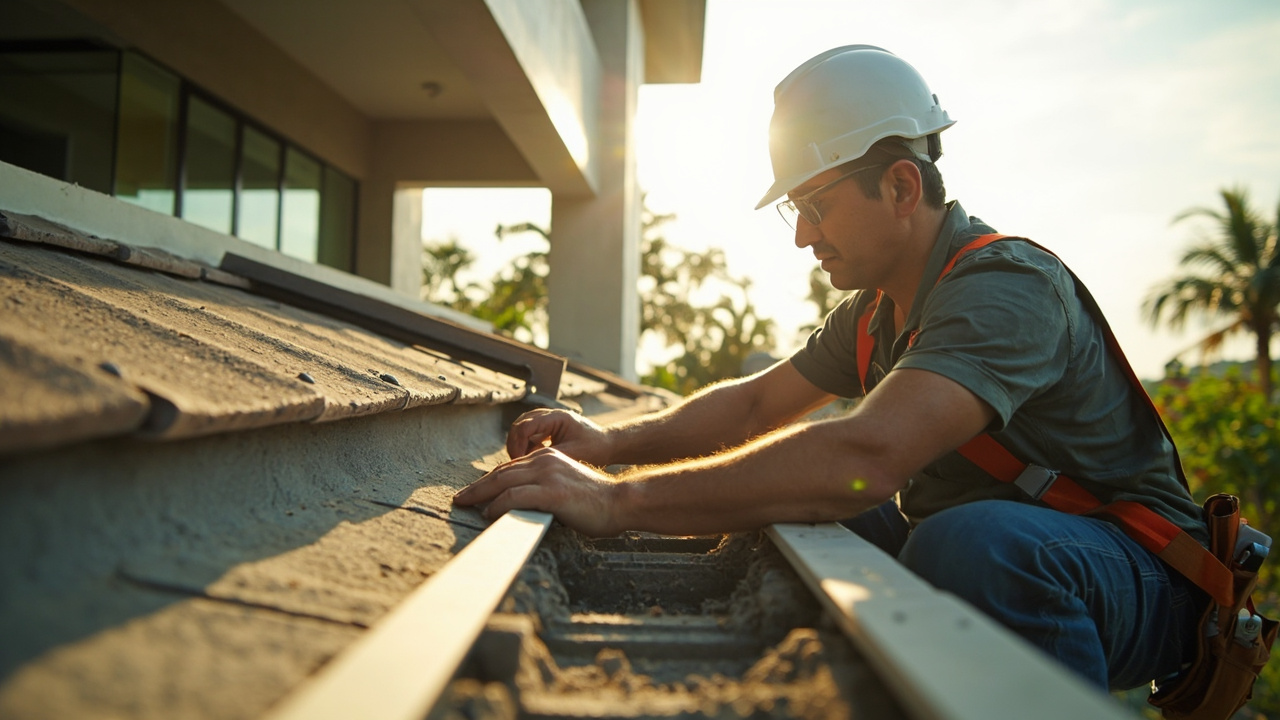 inspectionGenerated editorial image for Phuket Build Quality, supporting Phuket property research, area compar…