
Look for a clear, itemized list of all charges tied to the transaction and subsequent ownership. Identify which amounts are fixed and which are estimates, and note whether prices are in Thai baht or another currency; check if any parts depend on the official appraised value. Confirm who pays each item: transfer taxes, legal and translation fees, bank charges, title searches, survey, building inspection, utility connections, management or maintenance charges, and any sinking fund contributions. Clarify whether the seller or developer covers certain fees or if the charges are shared. Check timing: when each payment is due and whether deposits are refundable. Review responsibilities for ongoing costs after completion: property tax, insurance, utilities, annual maintenance, and management fees. If maintenance or repair allowances are included, confirm how they are calculated and when they are released. Ask for a copy of the expected utility bill changes and any transfer-related conditions. Finally, confirm the document's language, whether an English version is available, and how to handle discrepancies or contingencies. Having a written, transparent completion statement helps you plan funding and avoid surprises after closing.
Public Property Q&A
What Should I Check in the Written Completion Statement to Avoid Surprises?


Useful next steps
Use this answer as a practical starting point. Current prices and availability should be confirmed with the relevant seller, developer or manager, while ownership, contracts, tax and inspection matters should be checked with qualified buyer-side professionals.
Related Topics
More Costs, Taxes & Ongoing Budget Topic Pages
Explore more topic pages connected to this answer.





Related Visual Examples
A short visual sample connected to this answer or its topic.
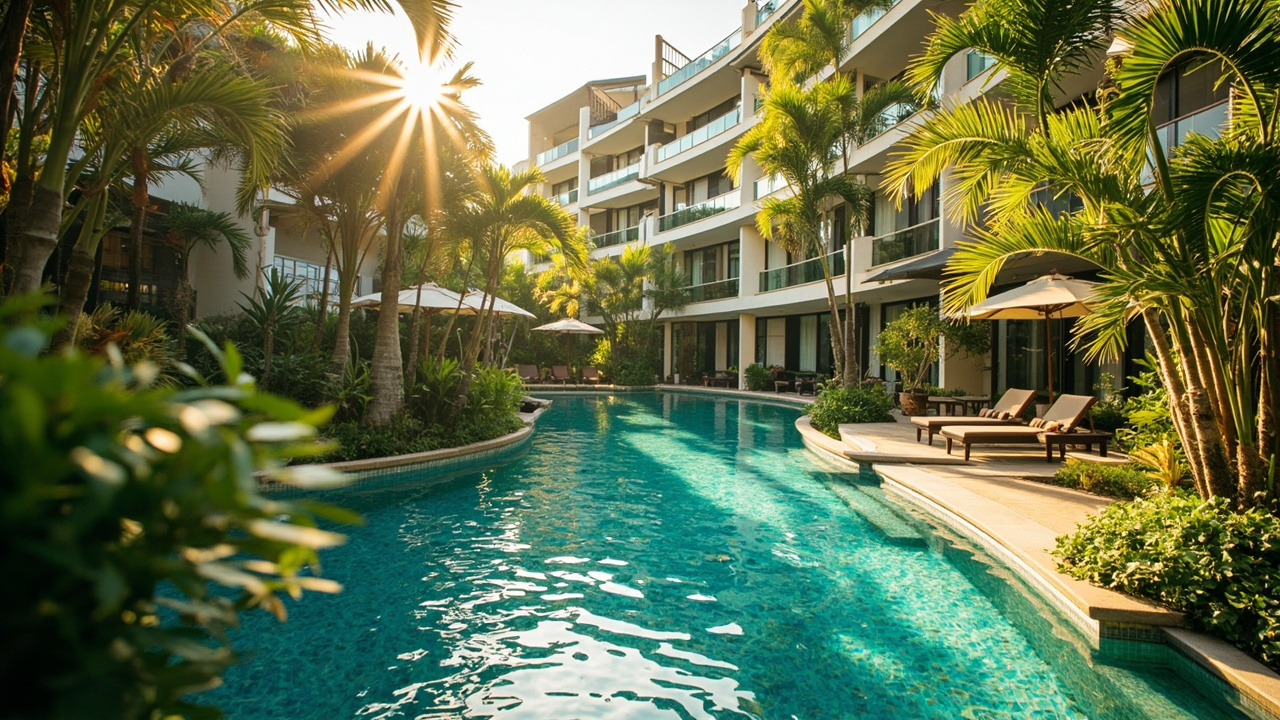 investmentGenerated editorial image for Phuket Condominium Fees, supporting Phuket property research, area com…
 maintenanceGenerated editorial image for Phuket Villa Running Costs, supporting Phuket property research, area …
 investmentGenerated editorial image for Phuket Property Insurance, supporting Phuket property research, area c…