
In Patong, the district name isn’t enough; inspect the building itself and its governance. Check the building’s rules on short-stay use, guest registrations, minimum stays, how guests access facilities, parking, and quiet-hours. Ask for official juristic-person documents: the latest resolutions, by-laws, service charges, and the status of the sinking fund, plus any upcoming changes the committee has announced. Verify who enforces the rules and how disputes are handled, and whether management agreements or contracts limit your use or require approvals for nightly stays. Review the unit’s documentation: title, land status if it’s a villa, and any encumbrances or restrictions on rentals. Confirm the exact location and building facilities, and be wary of planned works that could affect your stay or rentability. Check practical access during peak periods, road quality, internet, drainage, and proximity to daily services. Finally, consult independent Thai legal, tax and technical advice for the transaction and gather completed operating information rather than marketing claims. Remember Patong’s environment can change within a few hundred metres, so inspect the actual building and unit at different times of day.
Public Property Q&A
What Exact Building Details Should I Check to Avoid Issues in Patong?
Continue the conversation
Useful next steps
Use this answer as a practical starting point. Current prices and availability should be confirmed with the relevant seller, developer or manager, while ownership, contracts, tax and inspection matters should be checked with qualified buyer-side professionals.
Related Topics
More Phuket Areas & Neighbourhoods Topic Pages
Explore more topic pages connected to this answer.




Related Visual Examples
A short visual sample connected to this answer or its topic.
 propertyGenerated editorial image for South Phuket Property, supporting Phuket property research, area compa…
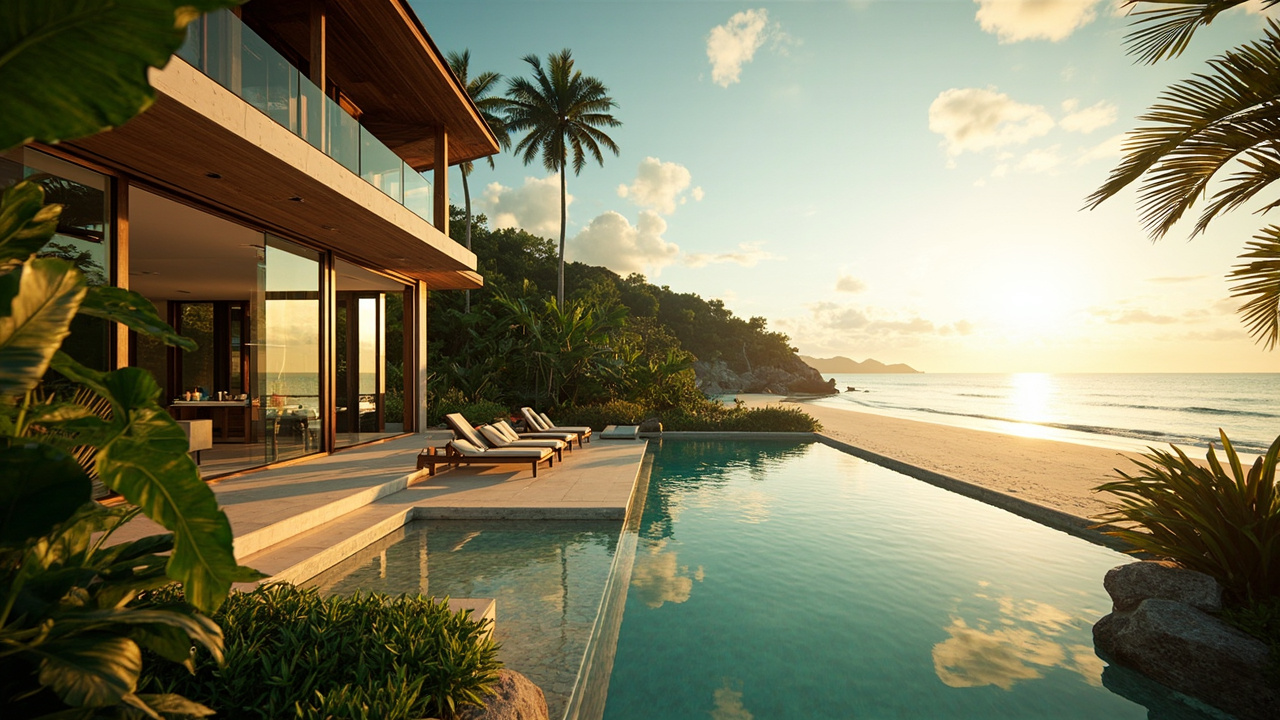 propertyGenerated editorial image for North Phuket Property, supporting Phuket property research, area compa…
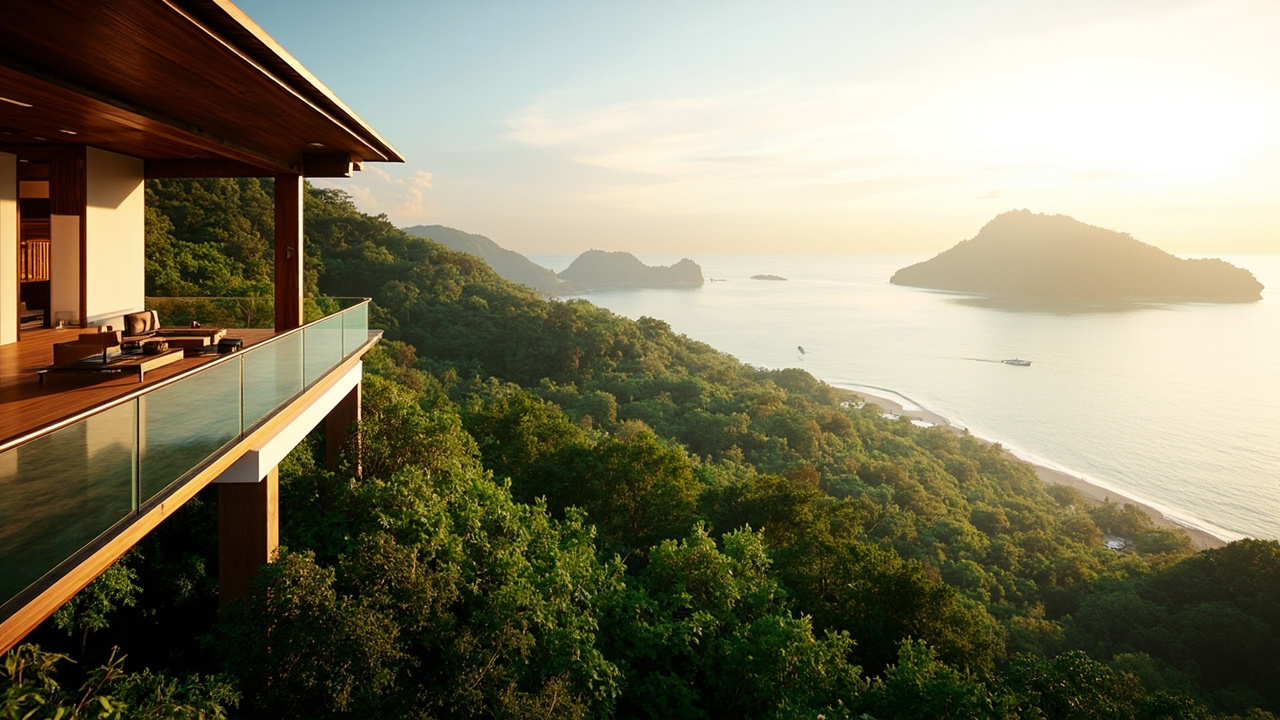 propertyGenerated editorial image for Phuket East Coast Property, supporting Phuket property research, area …