
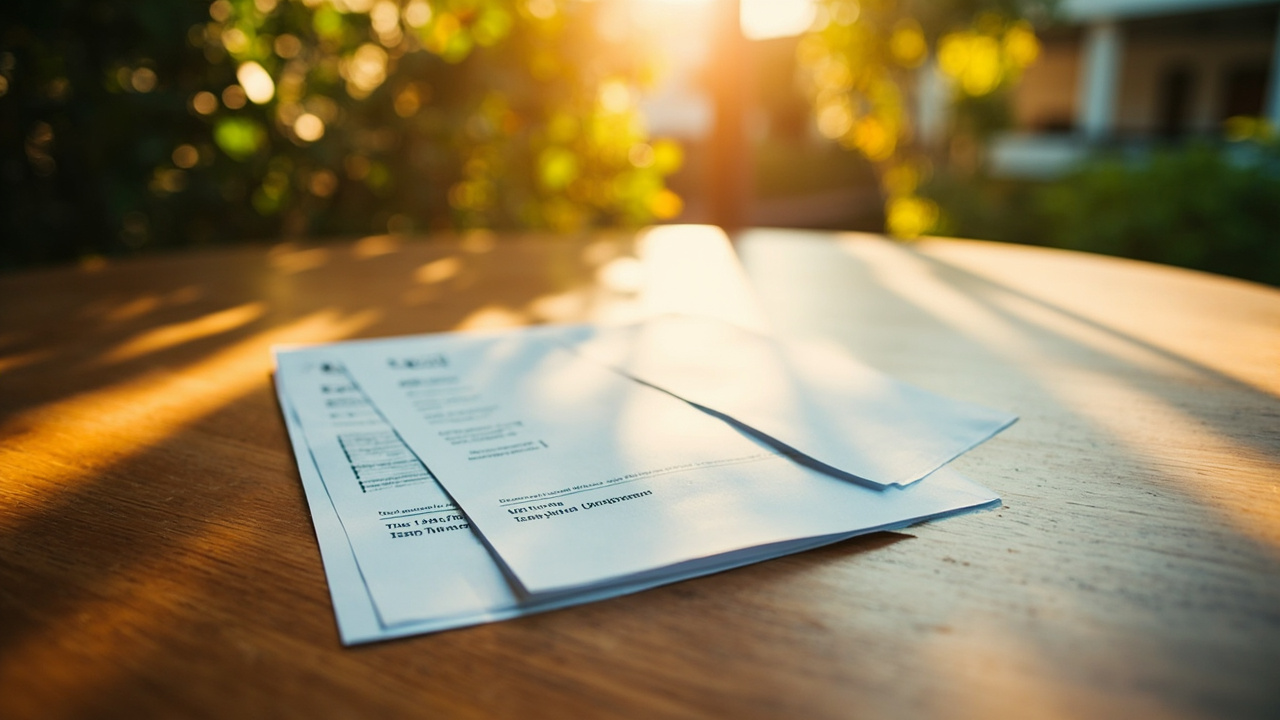
Build a document list for the exact transaction: title and land-office records, permits, contracts and amendments, payment evidence, tax and fee records, management accounts, insurance, warranties, inspection reports and any lease or rental-management agreements. Check who issued each record, whether it is current and whether an independent adviser has verified it. Relevant category details include: Plan for transaction costs, common fees, sinking funds, insurance, management, maintenance, furnishing, utilities and currency exposure. Start by separating what the seller or developer says from what the title documents, contract, land-office records and independent advisers can verify. Ownership structure, building rights, taxes, transfer steps and ongoing control are related but not interchangeable questions. Apply the checks to the actual property, intended use and written responsibilities rather than relying on the category label alone. Before signing or transferring funds, use an independent Thai lawyer and, where relevant, a qualified tax or accounting adviser. Ask for the important answers and documents in writing, and confirm that the advice applies to the exact buyer, property and transaction.
Public Property Q&A
What Documents Should a Buyer Expect to Review When Researching Costs, Taxes & Ongoing Budget in Thailand?

Useful next steps
Use this answer as a practical starting point. Current prices and availability should be confirmed with the relevant seller, developer or manager, while ownership, contracts, tax and inspection matters should be checked with qualified buyer-side professionals.
Related Topics
More Costs, Taxes & Ongoing Budget Topic Pages
Explore more topic pages connected to this answer.



Related Visual Examples
A short visual sample connected to this answer or its topic.
 investmentGenerated editorial image for Phuket Condominium Fees, supporting Phuket property research, area com…
 maintenanceGenerated editorial image for Phuket Villa Running Costs, supporting Phuket property research, area …
 investmentGenerated editorial image for Phuket Property Insurance, supporting Phuket property research, area c…