
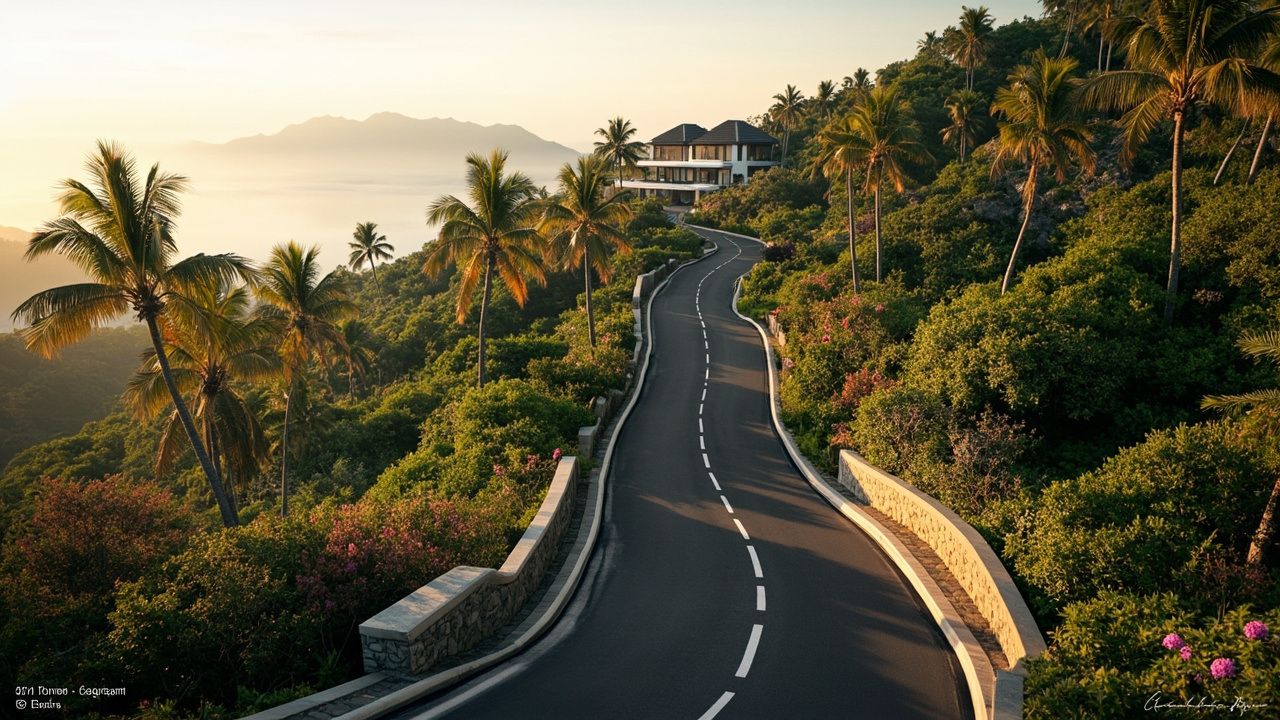
Beyond the route test, ask for the legal documents that define who owns the hillside access and who must maintain it. Request the title deed and any easements, servitudes or covenants listing rights of way, maintenance duties and who pays for repairs or improvements. Check with the land office or local council for official road status, maintenance plans and any planned works that could affect access, especially during heavy rain. If the road is private, confirm who can authorize work, how costs are shared, and whether there are access restrictions you need to respect. Consider including an access clause in the sale agreement to cover future maintenance or upgrades. Have a surveyor confirm the route’s width and gradient, and a geotechnical engineer assess slope stability and any retaining structures along the path. Ensure emergency access is clearly defined for vehicles such as ambulances and fire services. Collect all documents and professional opinions, verify ownership and maintenance details, and seek independent advice before committing money to avoid later disputes if access deteriorates or becomes unusable.
Public Property Q&A
What Documents Confirm Road Ownership & Who Maintains Hillside Access?
Useful next steps
Use this answer as a practical starting point. Current prices and availability should be confirmed with the relevant seller, developer or manager, while ownership, contracts, tax and inspection matters should be checked with qualified buyer-side professionals.
Related Topics
More Property Inspection & Coastal/hillside Risks Topic Pages
Explore more topic pages connected to this answer.



Related Visual Examples
A short visual sample connected to this answer or its topic.
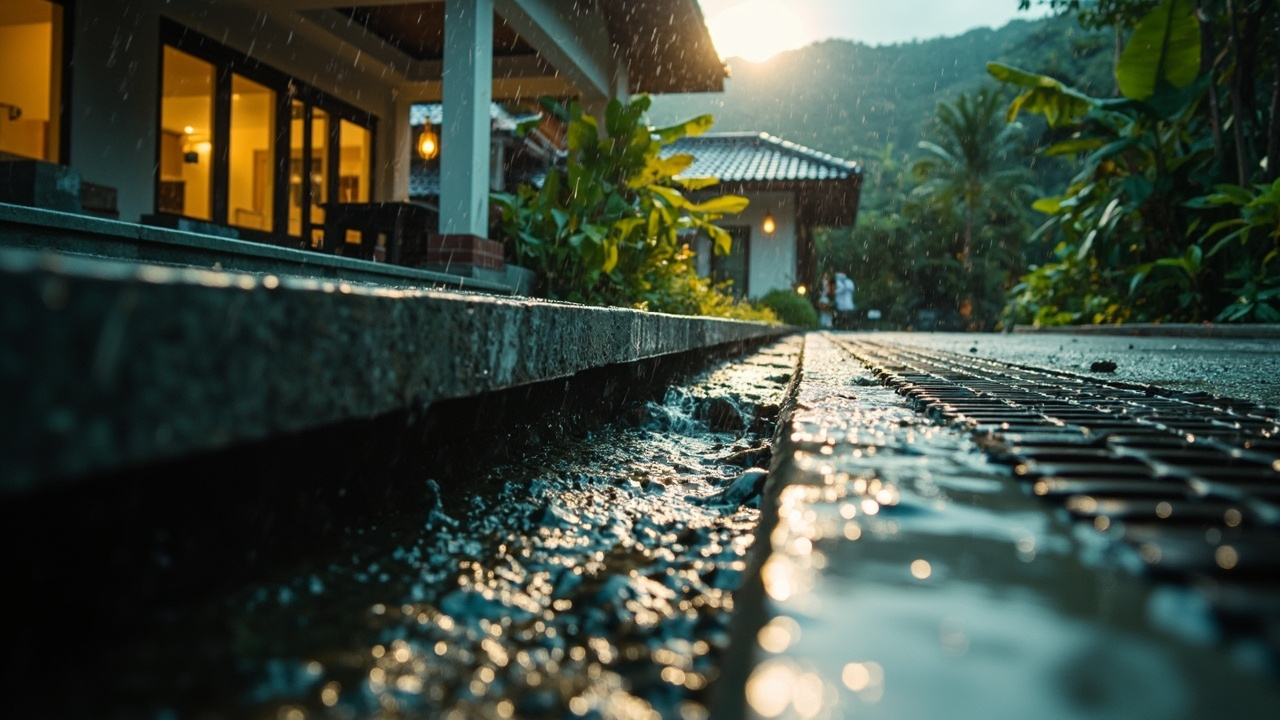 inspectionGenerated editorial image for Phuket Flood Risk, supporting Phuket property research, area compariso…
 inspectionGenerated editorial image for Phuket Snagging Inspections, supporting Phuket property research, area…
 inspectionGenerated editorial image for Phuket Build Quality, supporting Phuket property research, area compar…