
After you receive the inspection report, start with items that affect safety or structural integrity. Have the inspector separate visible symptoms from underlying causes and, where needed, provide a simple root-cause note. For each issue, request a basic plan for repair and a rough cost idea from a licensed contractor. If you’re buying a condo, check how common-property elements interact with your unit’s needs; for a villa, include access, retaining walls and shared services in the assessment. The climate—sun, salt, humidity and monsoon rain—can hide or accelerate defects, so don’t rely on a fresh coat of paint as proof that moisture or movement has been fully fixed. Gather the original report and any prior maintenance records, installation dates and past service histories for affected systems to help you gauge durability. Before paying for work or signing a deal, ensure you have written confirmation of the proposed repairs, who is responsible for them, and expected timelines from the seller, management or contractor, as applicable.
Public Property Q&A
How Should I Prioritise Repairs & Verify Causes after Inspection?
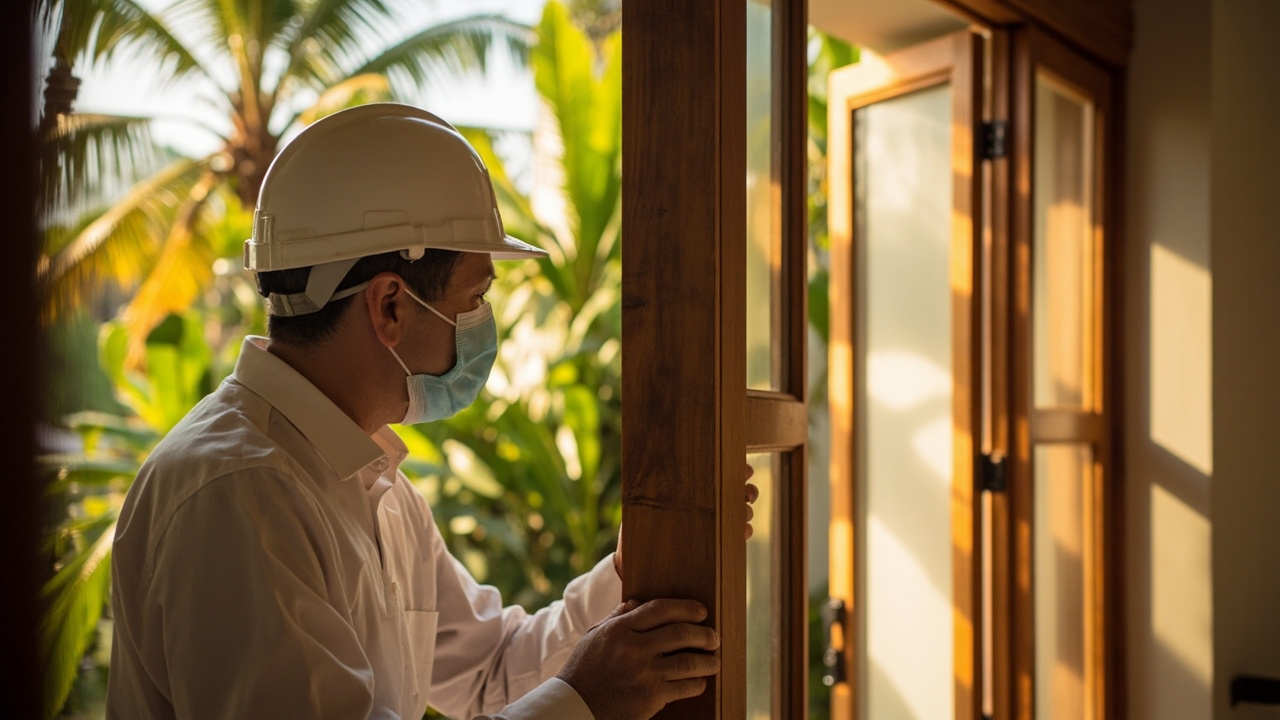

Useful next steps
Use this answer as a practical starting point. Current prices and availability should be confirmed with the relevant seller, developer or manager, while ownership, contracts, tax and inspection matters should be checked with qualified buyer-side professionals.
Related Topics
More Property Inspection & Coastal/hillside Risks Topic Pages
Explore more topic pages connected to this answer.

Related Visual Examples
A short visual sample connected to this answer or its topic.
 inspectionGenerated editorial image for Phuket Flood Risk, supporting Phuket property research, area compariso…
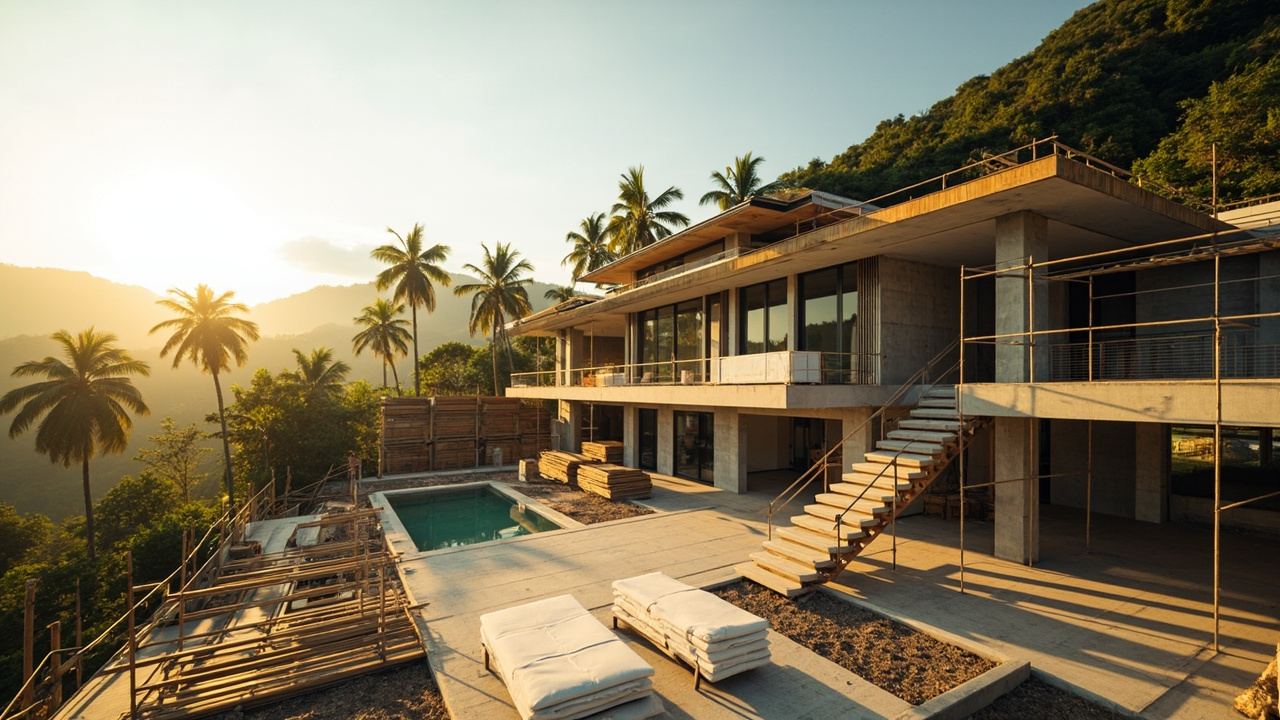
 inspectionGenerated editorial image for Phuket Snagging Inspections, supporting Phuket property research, area…
 inspectionGenerated editorial image for Phuket Build Quality, supporting Phuket property research, area compar…