
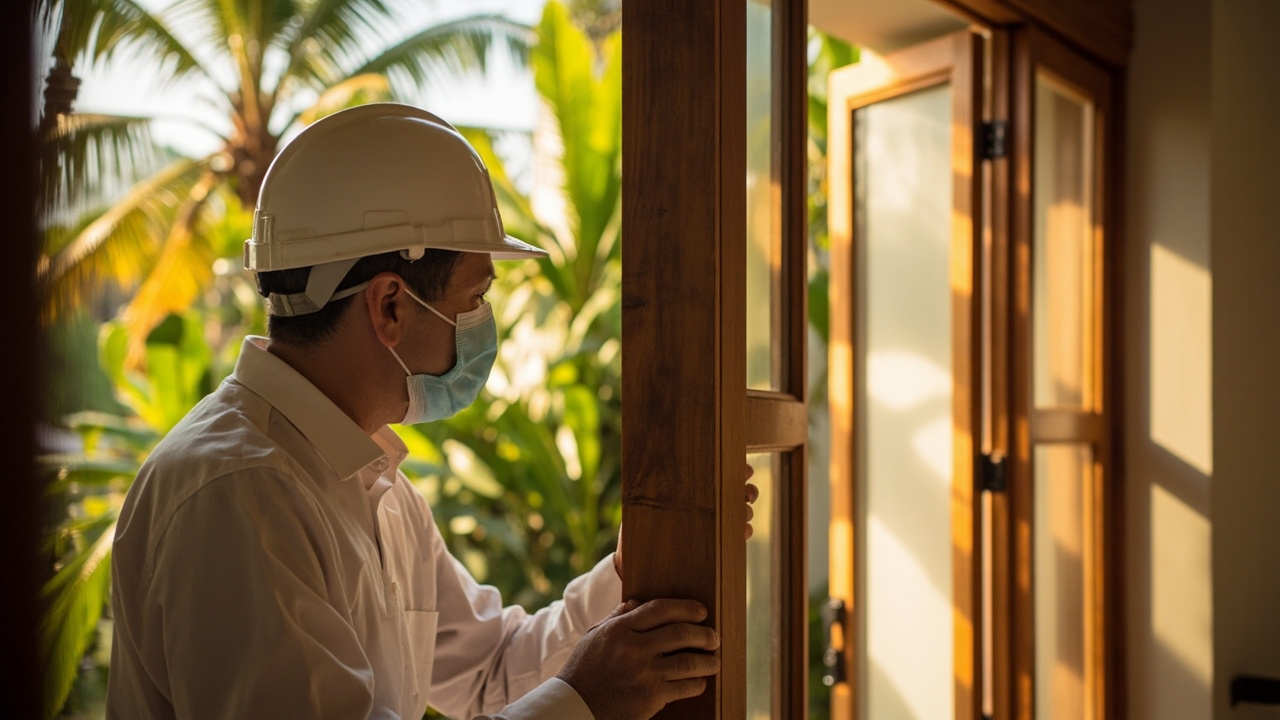
Priorities should start with safety-critical defects that could affect structure, waterproofing, electrical safety, drainage or fire protection. Use the inspector’s defect photos and severity notes to rank repairs from urgent to optional. Ask the seller or developer for a remediation plan with expected timelines and, where possible, quotes for the work. Separate unit-specific issues from shared infrastructure problems, as responsibilities differ between owner and juristic entity. For moisture and mould, seek root-cause clarity (leaks, condensation, ventilation) rather than cosmetic fixes, and confirm whether warranties or previous repairs cover the issue. In Phuket’s climate, hidden defects can hide behind fresh paint or dry seasons; therefore, evaluate the entire system—property, plot, access and shared services—as one. If a defect is time-critical (e.g., active water intrusion or electrical fault), request temporary measures or a hold on settlement until it’s resolved. Finally, ensure independent professional opinions back the remediation plan and that documentation clearly records what will be fixed, by whom and when, before money changes hands.
Public Property Q&A
How Should I Prioritise Defects Found During the Inspection?
Useful next steps
Use this answer as a practical starting point. Current prices and availability should be confirmed with the relevant seller, developer or manager, while ownership, contracts, tax and inspection matters should be checked with qualified buyer-side professionals.
Related Topics
More Property Inspection & Coastal/hillside Risks Topic Pages
Explore more topic pages connected to this answer.





Related Visual Examples
A short visual sample connected to this answer or its topic.
 inspectionGenerated editorial image for Phuket Flood Risk, supporting Phuket property research, area compariso…
 inspectionGenerated editorial image for Phuket Snagging Inspections, supporting Phuket property research, area…
 inspectionGenerated editorial image for Phuket Build Quality, supporting Phuket property research, area compar…