
Start with the building’s age, construction quality, exposure, equipment and maintenance history. Set separate reserves for annual servicing, predictable replacement—such as pumps, air conditioners and exterior coatings—and major risks such as roofs, retaining walls or waterproofing. A new property still needs a reserve because warranties may be limited or disputed. Review the amount each year using actual invoices. Prepare three figures: cash required to complete, normal annual running cost and a repair reserve. Separate seller estimates from invoices and professional calculations. Costs and tax treatment can change, so current figures should be confirmed before signing. This is general guide information only; obtain current independent Thai legal, tax, financial or technical advice for the specific transaction.
Public Property Q&A
How Should I Create a Realistic Maintenance Reserve?
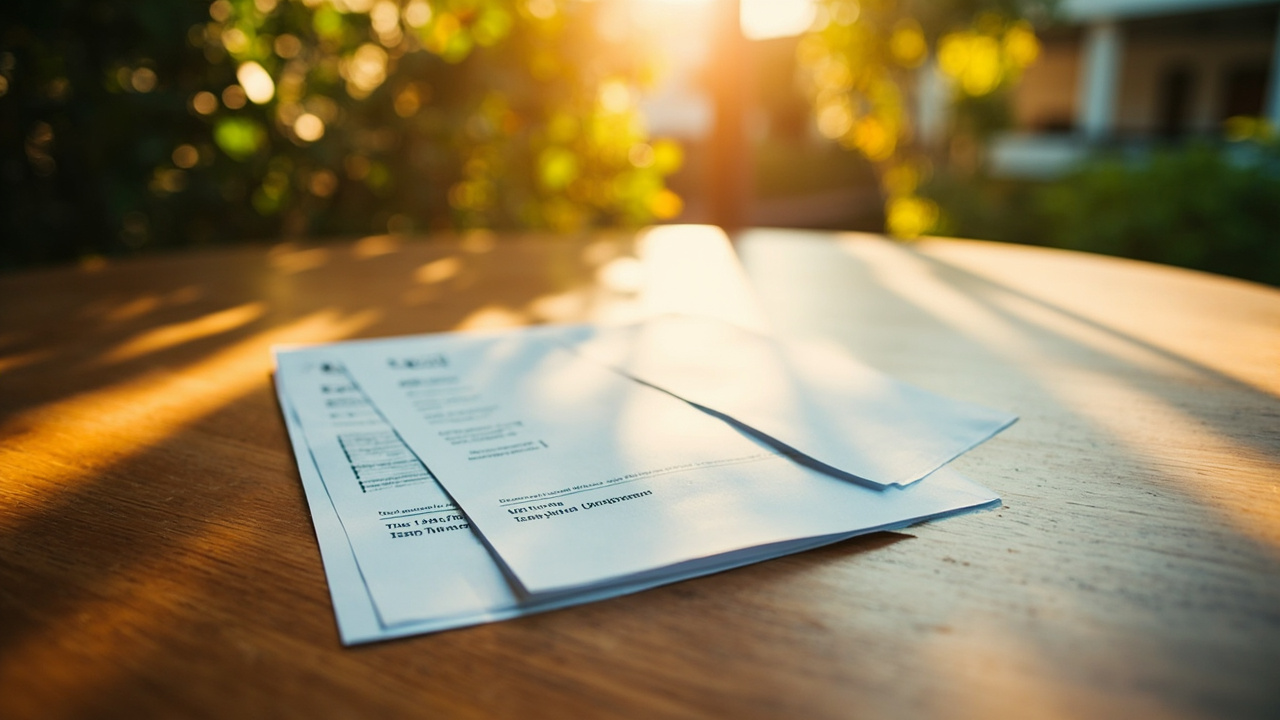

Useful next steps
Use this answer as a practical starting point. Current prices and availability should be confirmed with the relevant seller, developer or manager, while ownership, contracts, tax and inspection matters should be checked with qualified buyer-side professionals.
Related Topics
More Costs, Taxes & Ongoing Budget Topic Pages
Explore more topic pages connected to this answer.



Related Visual Examples
A short visual sample connected to this answer or its topic.
 investmentGenerated editorial image for Phuket Condominium Fees, supporting Phuket property research, area com…
 maintenanceGenerated editorial image for Phuket Villa Running Costs, supporting Phuket property research, area …
 investmentGenerated editorial image for Phuket Property Insurance, supporting Phuket property research, area c…