
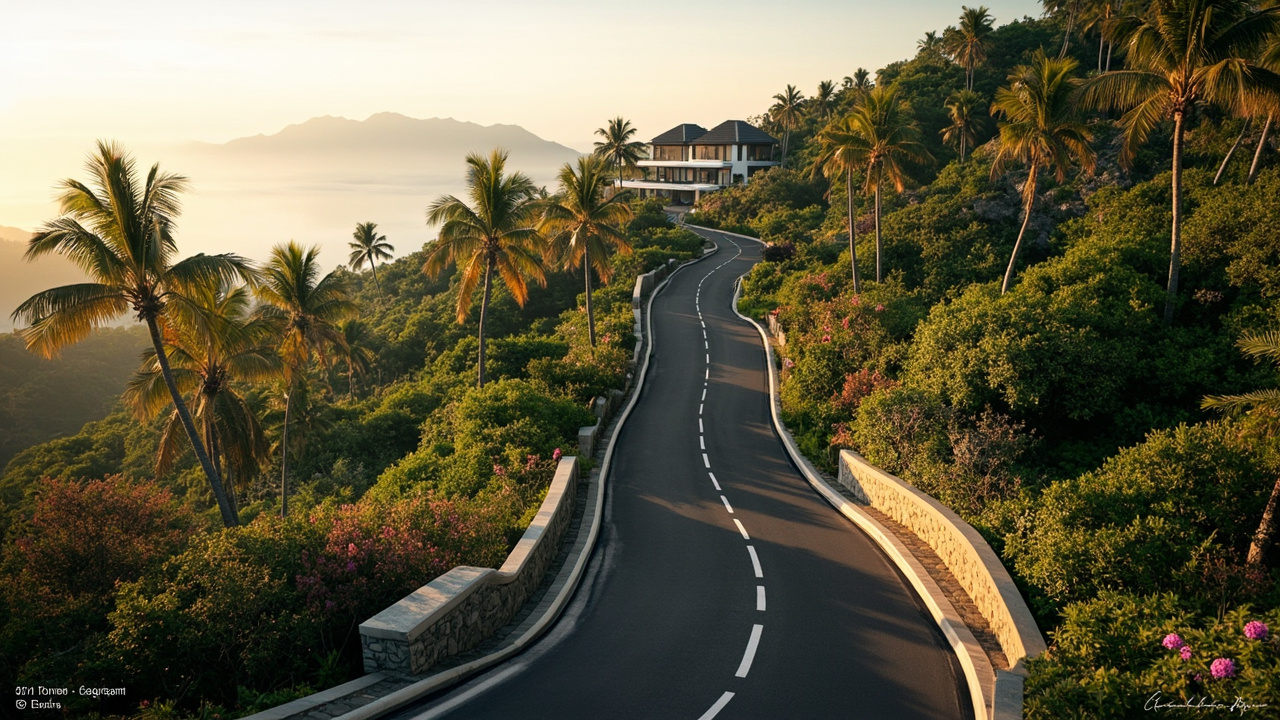
Monsoon-season road reliability can change quickly. Start by seeing how the access road performs in heavy rain, at night and during peak traffic. Look for gradient steepness and whether drainage channels actually move water away; surface conditions (potholes, loose gravel); road width for two-way traffic; passing points; and whether there are clear emergency-access routes for ambulances or fire vehicles. Check who maintains the road and who owns it, whether maintenance funds exist and are collected. Ask if delivery vehicles can still reach the turning point, and whether access gates or barriers may be closed during bad weather. Talk to neighbours or the estate management to learn about typical closures and alternate routes. Consider the impact on ageing residents, deliveries and service access, daily commutes, and building access during rain. Before paying, have a building inspector or geotechnical engineer review slope stability, drainage, and retaining structures if the road sits directly below or beside the plot. Get a written assessment of defects, repair priorities and rough costs, and verify details with independent professionals during due diligence.
Public Property Q&A
How Do I Evaluate Road Access Reliability for Monsoon Seasons?
Useful next steps
Use this answer as a practical starting point. Current prices and availability should be confirmed with the relevant seller, developer or manager, while ownership, contracts, tax and inspection matters should be checked with qualified buyer-side professionals.
Related Topics
More Property Inspection & Coastal/hillside Risks Topic Pages
Explore more topic pages connected to this answer.





Related Visual Examples
A short visual sample connected to this answer or its topic.
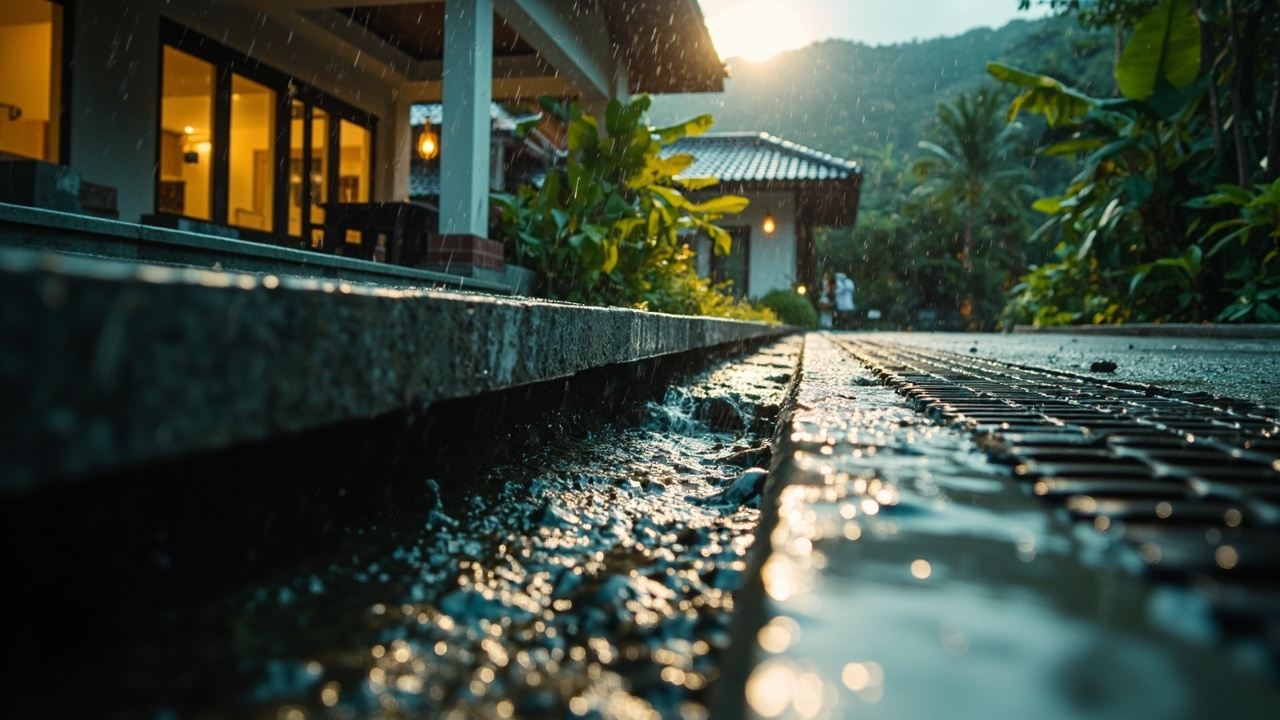 inspectionGenerated editorial image for Phuket Flood Risk, supporting Phuket property research, area compariso…
 inspectionGenerated editorial image for Phuket Snagging Inspections, supporting Phuket property research, area…
 inspectionGenerated editorial image for Phuket Build Quality, supporting Phuket property research, area compar…