
After rain, walk the site to see if gutters and downpipes drain freely and if driveways, patios and pool surrounds slope away from the building. Look for damp patches on walls or ceilings, especially on ground floors. Have a local manager test pumps and backup systems during or just after rain, and review any estate drainage plans (retention ponds, French drains, sumps) along with maintenance history. Inspect roofing seals, wall coping, and retaining-wall outlets for cracks or blockages that could funnel water toward the home. On hillside or waterfront plots, ensure drainage channels are clear and landscaping doesn’t direct water toward the building. Collect maintenance logs and service contacts; consider a professional damp survey if moisture appears. Insurance implications matter, as water ingress can affect coverage. Before committing money, verify current property-specific details through documents and independent professionals.
Public Property Q&A
How Can I Assess a Property's Drainage Performance after Rain?


Continue the conversation
← What Should Owners Do before Phuket’s Wetter Monsoon Months?
Useful next steps
Use this answer as a practical starting point. Current prices and availability should be confirmed with the relevant seller, developer or manager, while ownership, contracts, tax and inspection matters should be checked with qualified buyer-side professionals.
Related Topics
More Tropical Property Maintenance Topic Pages
Explore more topic pages connected to this answer.



Related Visual Examples
A short visual sample connected to this answer or its topic.
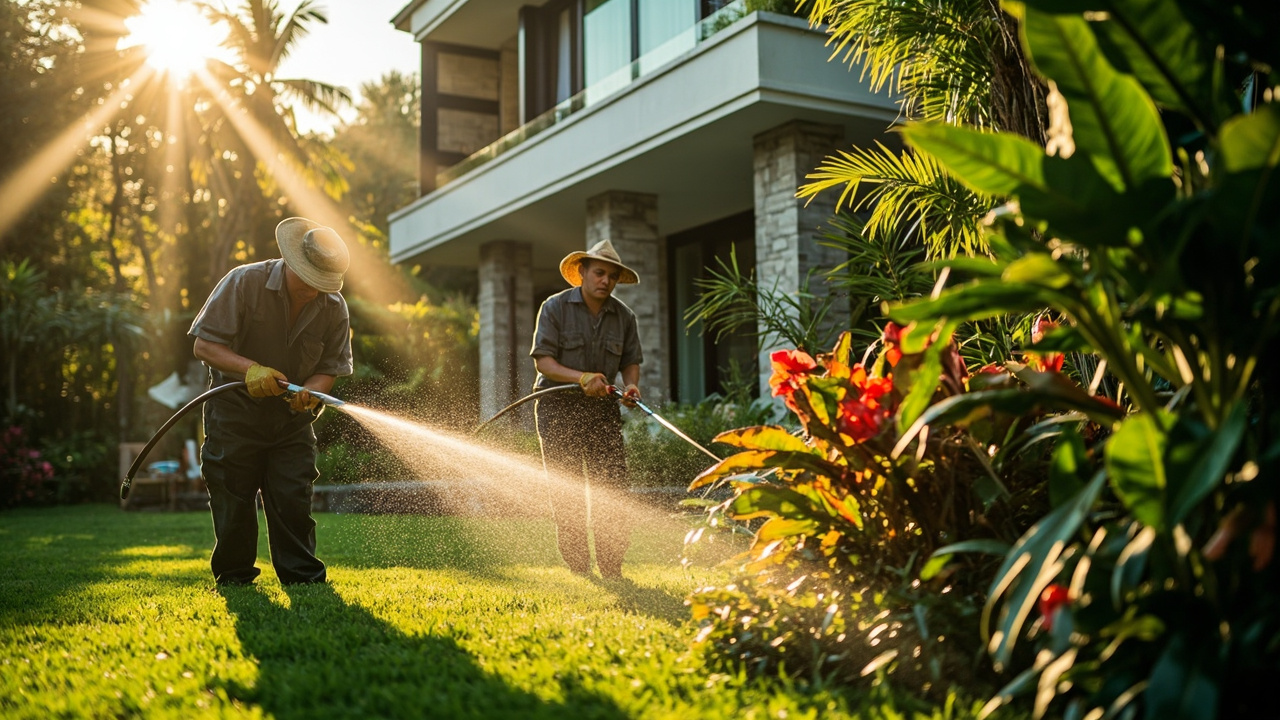 gardenGenerated editorial image for Phuket Garden Maintenance, supporting Phuket property research, area c…
 maintenanceGenerated editorial image for Phuket Villa Running Costs, supporting Phuket property research, area …
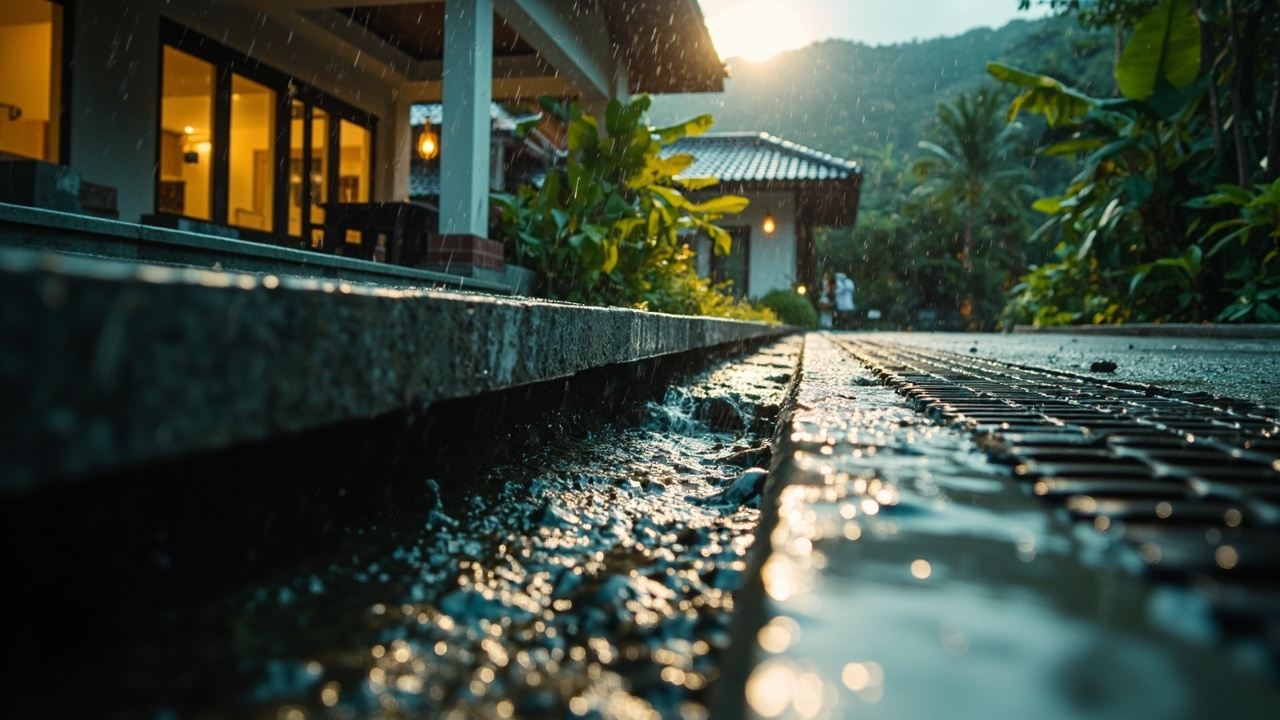 inspectionGenerated editorial image for Phuket Flood Risk, supporting Phuket property research, area compariso…